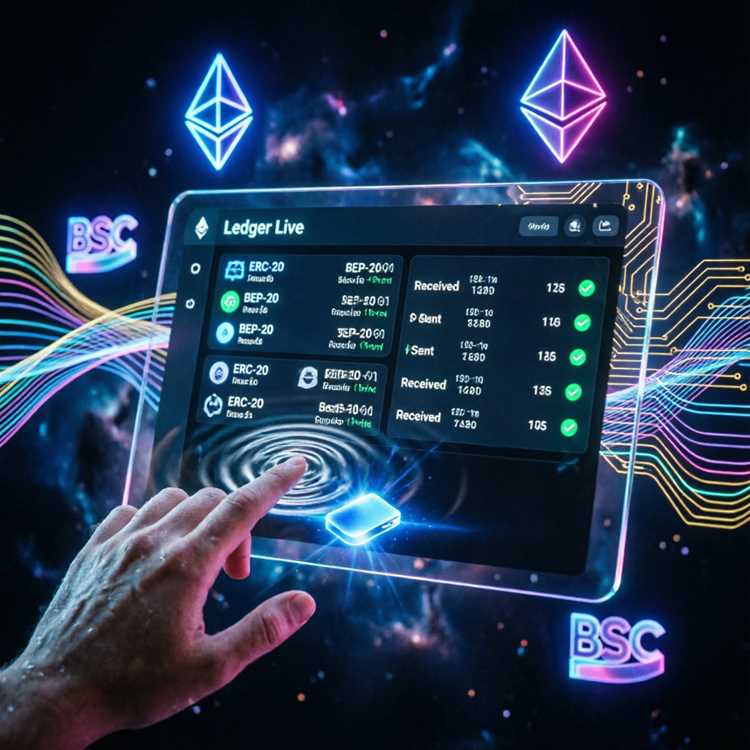
Manage ERC-20 and BEP-20 Tokens in Ledger Live: Guide provides the steps for secure multi chain asset custody. Users often struggle with different token standards. Ledger Live simplifies this process greatly. Understanding these steps helps protect your portfolio. This guide covers everything from setup to troubleshooting.
Ledger Live token management brings together Ethereum and Binance Smart Chain assets. You can view balances in one unified dashboard. add tokens Ledger Live first requires the parent chain app. Security remains the top priority throughout. Let us explore the specific methods for handling these popular token types.
Following this guide ensures you avoid common mistakes. Each section builds on the previous one. Start with the basics of account creation. Move toward advanced features like swaps. By the end, managing these tokens will feel natural.
Why Standard Token Support Differs on Ledger Devices
Ledger Live ERC-20 support relies on specific blockchain apps. Each blockchain has unique rules. Ethereum uses the ERC-20 standard. Binance Smart Chain uses BEP-20. Ledger devices store private keys for both chains. Understanding this difference makes token management easier. Adding tokens requires the correct parent chain app.
The Role of the Ledger Live App Ecosystem
Installing the Ethereum app enables ERC-20 support. Installing the Binance Smart Chain app enables BEP-20 support. These apps act as bridges. They allow your Ledger to sign transactions for those networks. Ledger Live token management depends entirely on these installed apps. Without the correct app, tokens remain invisible.
Native vs. Third Party Token Integration
Ledger Live provides native integration for thousands of tokens. Some tokens require third party explorers. Native tokens display directly in your portfolio. Third party tokens might need manual adding. Checking the supported assets list helps manage expectations. Most popular ERC-20 and BEP-20 tokens work natively. Examples include USDC, USDT, and Chainlink.
Getting Started with Ledger Live Token Management
Ledger Live token management begins with the correct initial setup. You need a Ledger device. Download the Ledger Live app first. Follow the Ledger Live setup wizard to initialize your device. Then proceed to install the required apps. This foundation secures all your token activity. Choosing between the Nano S Plus and Nano X depends on your portability needs.
Installing the Ethereum or Binance Smart Chain App
Open Ledger Live and go to Manager. Connect your Ledger device. Search for Ethereum or Binance Smart Chain. Click Install on the correct app. These apps take up very little space. Ledger Live create account steps also require these apps installed. Both apps allow you to manage multiple assets simultaneously.
Creating a Dedicated Account for Tokens
Accounts in Ledger Live work like folders. Create an Ethereum account for all ERC-20 tokens. Creating a Ledger Live BEP-20 account takes just few clicks. Each account has its own deposit address. Keeping tokens organized by chain prevents confusion. This method also simplifies tax reporting.
How to Add ERC-20 Tokens to Your Ledger Live Portfolio
To add tokens Ledger Live users must first open the Receive section. Adding ERC-20 tokens follows a simple flow. The process uses the existing Ethereum account. You do not need a new account for each token. The system detects deposited tokens automatically. Sometimes manual refreshing is required. Always double check the receiving address on your device.
Using the Receive Feature for ERC-20s
Click Receive in the left panel. Select your Ethereum account. Your Ledger device displays the address. Verify it carefully on the screen. Copy the address to your clipboard. Share this address with the sender. Ledger Live deposit history shows pending transactions immediately. Tokens usually appear within minutes.
Adding Tokens via Account Sections
Go to the Accounts tab. Find your Ethereum account. Click the Edit account button. Look for Token list at the bottom. Enable the tokens you want to display. This method works well for previously sent tokens. Adding Ledger Live ERC-20 tokens manually gives you full control over visibility.
- Step 1: Open Ledger Live and ensure your device is connected.
- Step 2: Navigate to the Receive panel from the main menu.
- Step 3: Choose the Ethereum account from the dropdown list.
- Step 4: Verify the displayed address on your Ledger hardware device.
- Step 5: Use this address to deposit ERC-20 tokens from an exchange.
- Step 6: Check the Accounts tab to see the new token balance.
- Step 7: Edit the Ethereum account if the token remains hidden.
Adding BEP-20 Tokens: A Step by Step Process
Managing Ledger Live BEP-20 assets requires a Binance Smart Chain account. This process mirrors the ERC-20 flow. However, the parent chain differs. You must install the BSC app on your device. The account uses BNB for gas fees. Keep some BNB in your account for transactions. Without BNB, sending tokens becomes impossible.
Configuring the Binance Smart Chain Account
In Ledger Live, click Add Account. Search for Binance Smart Chain. Click Add to confirm. The account appears in your portfolio. This account handles all BEP-20 tokens. You can now send BEP-20 tokens to this address. Add tokens Ledger Live supports many BSC based coins like CAKE and BUSD.
Sending BEP-20 Tokens to Your Ledger Address
Copy your BSC deposit address. Go to your exchange or wallet. Initiate a withdrawal using the BEP-20 network. Check the receiving address carefully. The token should appear in Ledger Live shortly. You can also manage BEP-20 tokens manually via the edit account feature. Always select the correct network to avoid losses.
- Network type: BEP-2 operates on Binance Chain. BEP-20 operates on Binance Smart Chain.
- Address format: BEP-20 uses 0x addresses. BEP-2 uses bnb1 addresses.
- Ledger support: Ledger Live supports BEP-20 natively. BEP-2 requires the Binance Chain app.
- Gas fees: BEP-20 transactions require BNB coin. BEP-2 transactions also require BNB.
- Use case: BEP-20 is for dApps and smart contracts. BEP-2 is for simple transfers.
Viewing and Managing Your Multi Chain Portfolio
Manage ERC-20 and BEP-20 Tokens in Ledger Live: Guide helps track all assets centrally. The portfolio dashboard shows combined values. You can see your Ethereum balance. You can also see your BSC balance. Each token appears under its parent account. This unified view simplifies portfolio tracking. You can add tokens Ledger Live supports directly from the dashboard.
Understanding Value Display and Hidden Tokens
Ledger Live fetches prices from CoinGecko. Some tokens might not show a value. This often happens with very new tokens. Checking the Hidden tokens section is easy. Click Edit account to reveal them. Ledger Live transfer history also tracks these tokens. Understanding Ledger Live ERC-20 portfolio tracking is easy after setup.
Editing Token Names and Visibility
You can customize token names in Ledger Live. This helps with organization. The Edit account panel provides all options. You can hide low value tokens. You can also reorder token lists. This customization enhances your user experience. Organizing tokens by size or use case helps clear view.
Sending and Swapping Tokens Directly in Ledger Live
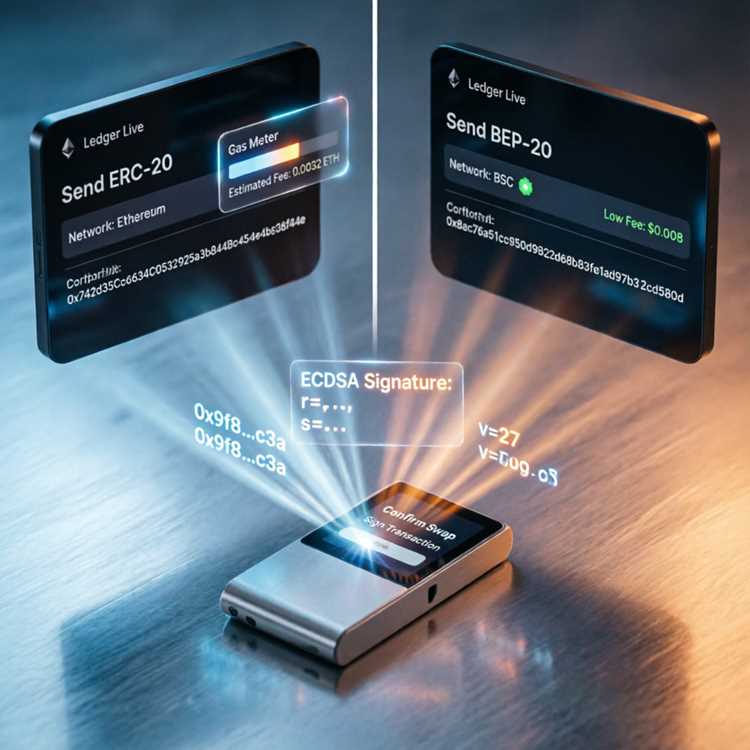
Ledger Live token management includes sending and swapping assets. You can send tokens to any address. You can swap tokens for other cryptocurrencies. These features work directly from the interface. Your private keys never leave your Ledger device. Security remains high during all transactions. Sending via Ledger Live ERC-20 options provides clear confirmation.
How to Send ERC-20 or BEP-20 Tokens
Click Send in the left panel. Select the token you want to send. Enter the recipients address. Confirm the amount on your Ledger device. Check gas fees before finalizing. The network processes the transaction. Ledger Live swap fees compare well against other platforms. Fees change based on network congestion.
Using the Swap Feature for Supported Tokens
Click Swap in the dashboard. Choose the source token and amount. Choose the destination token and network. Compare quotes from different providers. Execute the swap on your Ledger device. The exchanged tokens appear in your account. Manage ERC-20 and BEP-20 Tokens in Ledger Live: Guide helps users swap assets too.
Troubleshooting Common Token Issues
Ledger Live BEP-20 visibility issues often relate to missing apps. Sometimes tokens show zero balance. Other times transactions fail. Most problems have simple causes. Checking your internet connection helps. Ledger Live syncing problem solutions often resolve display errors. Regular checks keep your portfolio accurate.
No Transaction History or Missing Balances
Clear cache in Ledger Live settings. Go to Settings > Help > Clear cache. This forces a full resync. Missing balances usually appear after this step. Ensure your Ledger app is up to date. Update Ledger Live to the newest version for best performance. Ledger Live token management requires regular attention to updates.
Gas Fees and Network Congestion Errors
ERC-20 and BEP-20 transactions require gas fees. Low fees cause failed transactions. Check ETH and BNB balances before sending. Network congestion increases fee requirements. Try sending during off peak hours. Ledger Live shows real time fee estimates. Planning around high traffic periods saves money.
Hardware Wallet Accessories for Token Management
Ledger Live phishing protection works best with genuine accessories. Using official cables and cases protects your device. Third party accessories might cause connectivity issues. Investing in quality accessories ensures longevity. The right tools make token management safer. Securing Ledger Live BEP-20 holdings involves checking contract addresses.
| Accessory | Price Range | Compatibility | Use Case |
|---|---|---|---|
| Ledger Nano S Plus | $79 | All tokens | Entry level cold storage |
| Ledger Nano X | $149 | All tokens + Bluetooth | Mobile token management |
| USB OTG Cable Kit | $20 to $30 | Nano X, smartphones | Portable signing on the go |
| Cryptosteel Capsule | $70 to $100 | All wallets | Secure seed backup |
Avoiding Unverified Contracts and Scams
Only interact with trusted token contracts. Scammers create fake tokens resembling popular ones. Always verify the contract address on CoinGecko or CoinMarketCap. Ledger Live phishing protection alerts you about suspicious transactions. Never share your recovery phrase. Using a hardware wallet stops many common attacks.
Keeping Your Ledger Live App Updated
Update Ledger Live regularly for security patches. New features also arrive with updates. The Manager tab shows available updates. Enable automatic updates for convenience. Staying updated prevents compatibility issues. Outdated apps might not support new token standards.
Frequently Asked Questions About Token Management
Manage ERC-20 and BEP-20 Tokens in Ledger Live: Guide addresses common user questions. This section provides quick answers. Each question covers a specific concern. Use these answers to resolve frequent doubts. Save time by checking this list first. Understanding these points improves your overall experience.
Can I store all ERC-20 tokens on the same Ethereum account?
Yes. The Ethereum account supports all ERC-20 tokens. You do not need separate accounts for each token. Ledger Live displays them under one parent account. This keeps your portfolio organized.
What happens if Ledger Live does not show my BEP-20 token?
First, ensure the BSC app is installed on your device. Then check the Edit account section. Enable the token in the token list. If it still does not show, clear the cache. The token should appear after a resync.
Are my private keys exposed when using the Swap feature?
No. Ledger Live Swap executes on your hardware device. Your private keys never leave the device. Confirmation requires a physical button press. This ensures maximum security for your assets.
How much does it cost to send ERC-20 tokens from Ledger Live?
Costs depend on network gas fees. Ethereum network fees vary by congestion. Ledger Live shows the recommended fee. You can adjust the fee for slower or faster confirmation. BEP-20 fees usually stay lower than ERC-20 fees.